
Men Tailor in Connaught Place: A Complete Guide to Tailored Suits for Men in Delhi
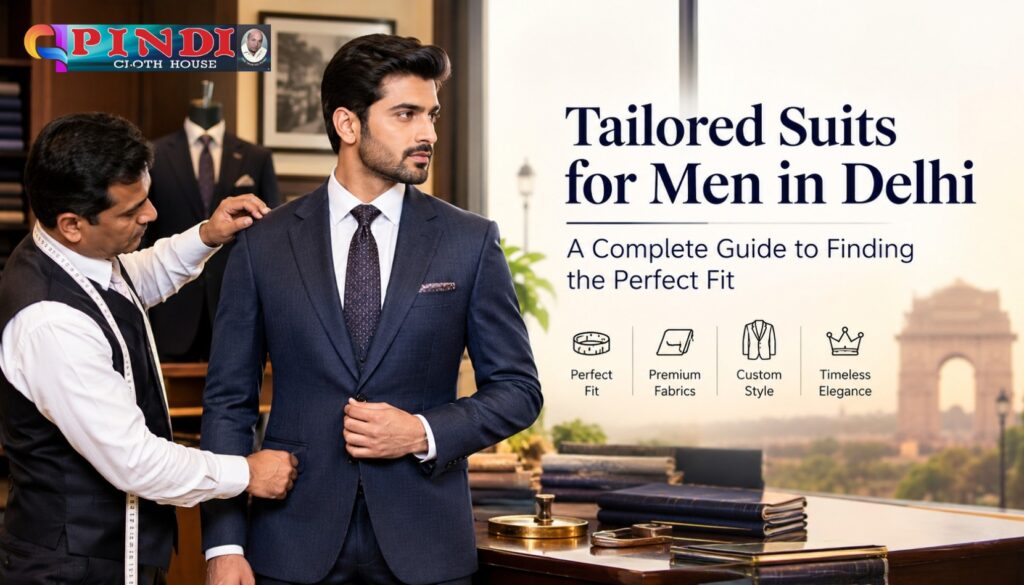
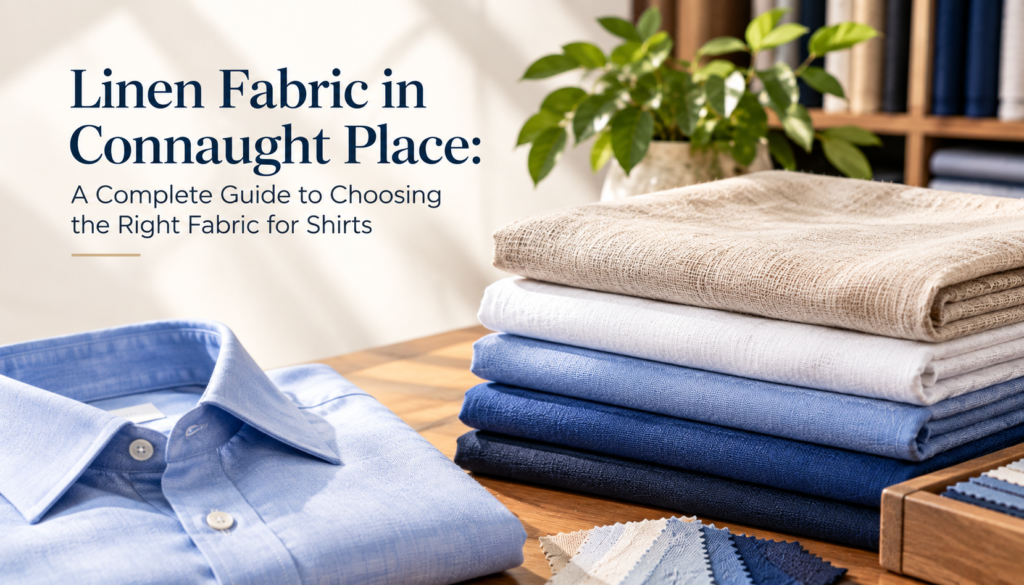
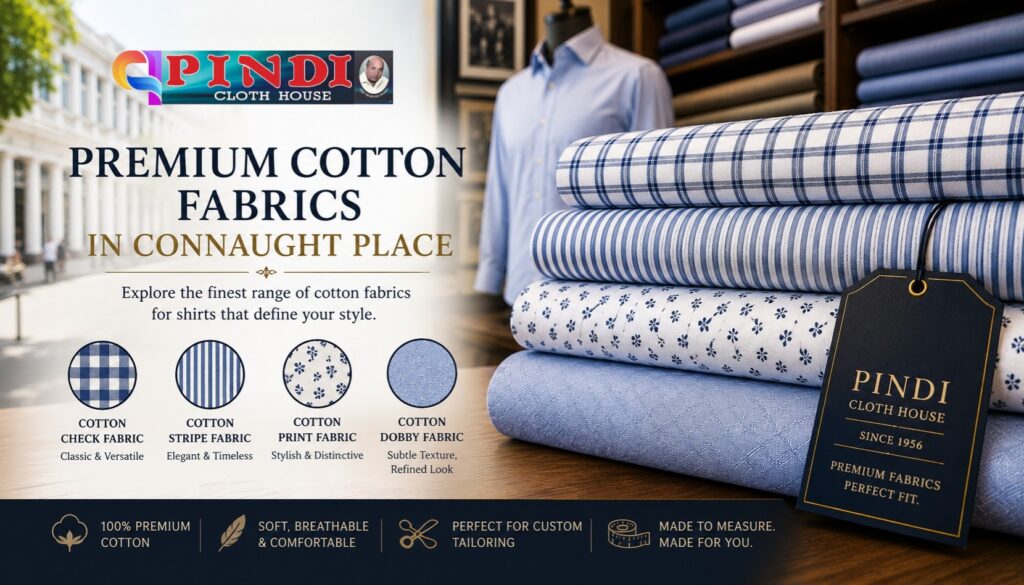
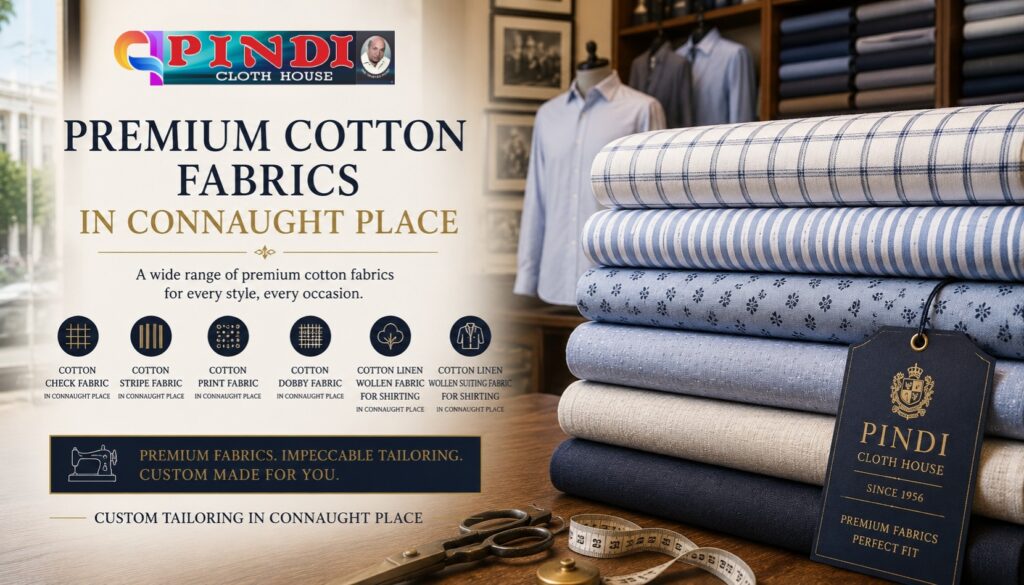
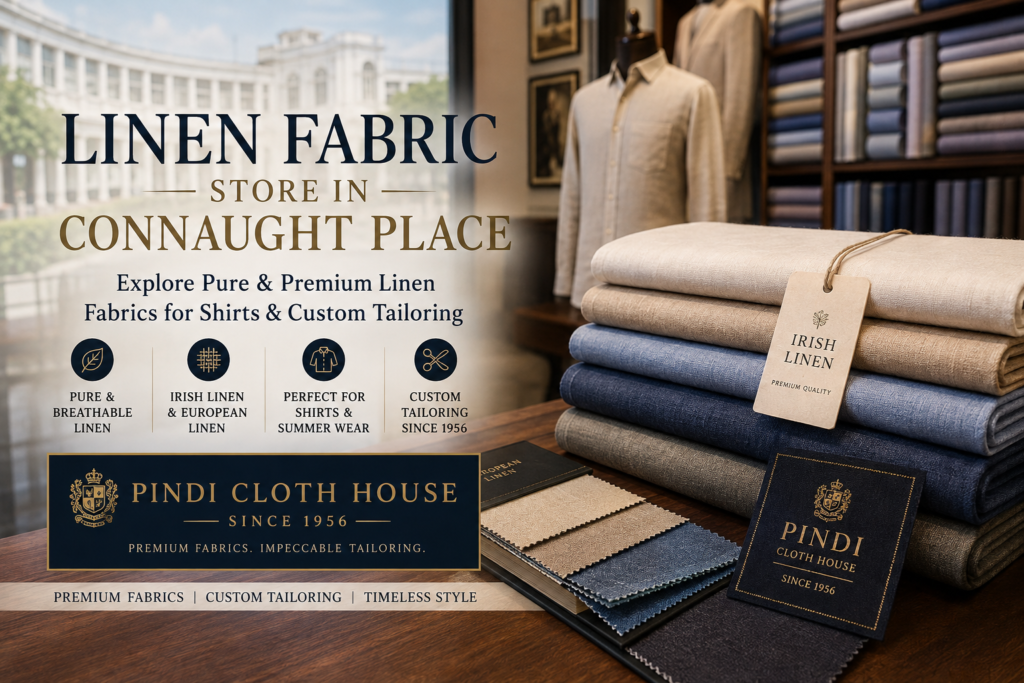
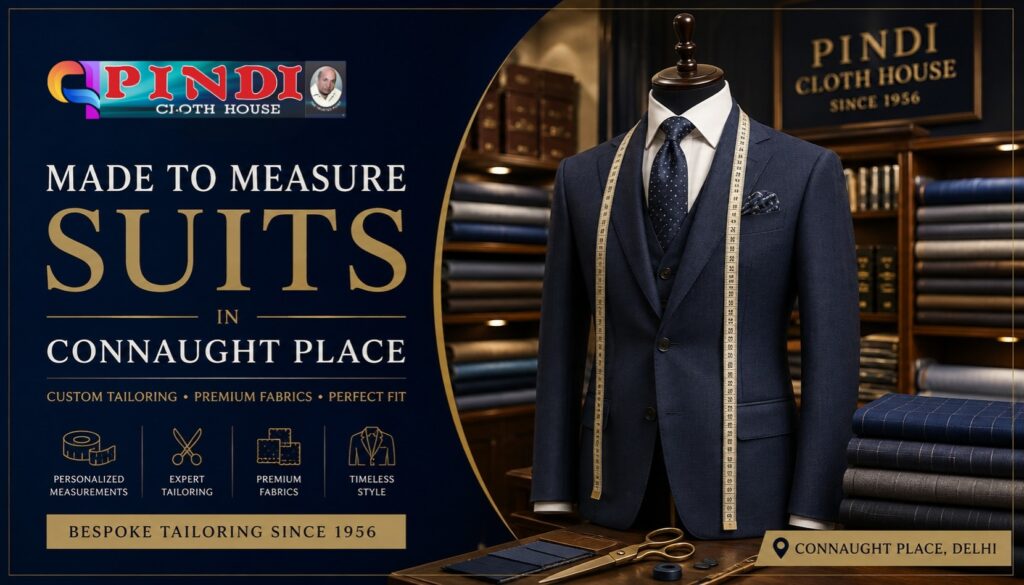
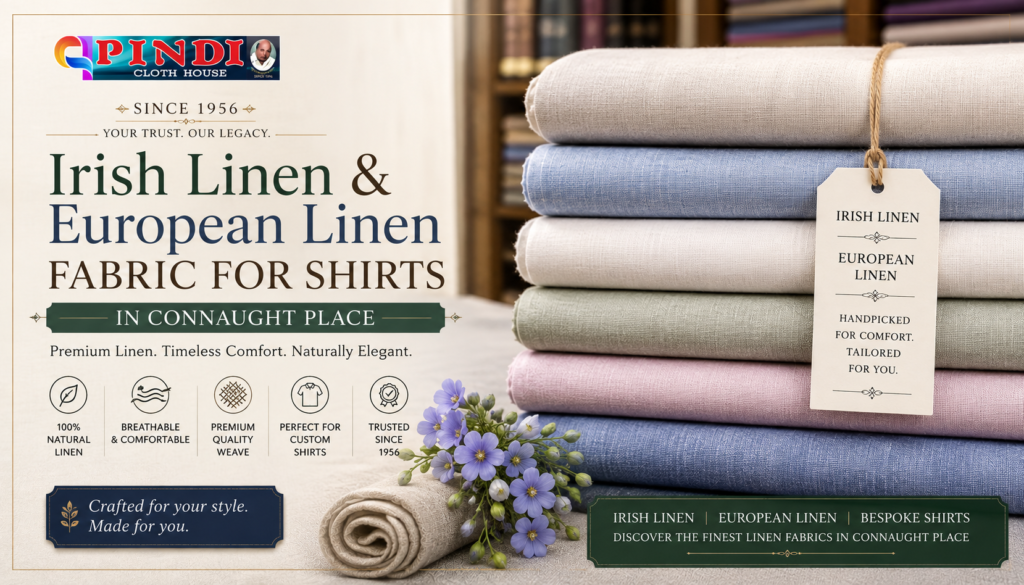
Finding the right tailor can completely change the way a man looks and feels in his clothing. A well-fitted suit is not simply about choosing the right colour or fabric—it is about proportions, comfort, construction, and details that work together. For men searching for a Men Tailor in Connaught Place or looking for Tailored suits for men in Delhi, choosing an experienced tailoring house can make the process much easier. From selecting the right fabric to taking precise measurements and refining the fit, every stage matters. At Pindi Cloth House, bespoke tailoring combines premium fabrics, personalised measurements, and traditional craftsmanship to create clothing designed around the individual. The brand has been associated with tailoring in Connaught Place since 1956 and currently offers made-to-measure suits, shirts, trousers, coats, wedding wear, blazers, and other menswear. Whether you need a business suit, wedding outfit, custom blazer, or an elevated everyday wardrobe, this guide will help you understand what to look for when choosing a tailor. Why Choose a Men Tailor in Connaught Place? Ready-made clothing is convenient, but standard sizes cannot account for every person’s individual proportions. One man may have broader shoulders and a narrower waist, while another may need adjustments to sleeve length, jacket length, or trouser proportions. This is where professional tailoring becomes valuable. A skilled Men Tailor in Connaught Place can create or adjust a garment according to your measurements and preferred style. Some of the key advantages include: Instead of adapting yourself to a standard-size garment, custom tailoring allows the garment to be adapted to you. Tailored Suits for Men in Delhi: Why Fit Matters When searching for Tailored suits for men in Delhi, fit should be one of the first things you consider. A suit can be made from an excellent fabric and still look ordinary if the proportions are incorrect. A well-tailored suit should sit comfortably around the shoulders, follow the body’s natural shape without being restrictive, and maintain balanced proportions throughout the jacket and trousers. Important areas to consider include: Shoulders:The shoulder seam should sit naturally without extending too far beyond the shoulder. Chest:The jacket should provide enough room for comfortable movement without appearing excessively loose. Waist:A properly shaped jacket creates a clean silhouette without pulling or excessive fabric. Sleeves:Sleeve length should complement the shirt cuff and overall proportions. Jacket length:The length should create a balanced appearance with the wearer’s height and body proportions. Trousers:Waist, rise, thigh, leg opening, and length all contribute to the final silhouette. These small details can make a significant difference to the finished appearance. Custom Tailoring in Connaught Place: More Than Just Measurements Custom Tailoring in Connaught Place is about more than taking measurements and stitching a garment. A good tailoring experience starts with understanding the customer’s requirements. For example, a business suit may need a versatile design suitable for meetings and professional settings. A wedding suit may allow greater freedom with colour, texture, construction, and detailing. At Pindi Cloth House, the tailoring experience combines consultation, fabric selection, measurements, craftsmanship, and fitting to create made-to-measure clothing. This personalised approach allows customers to consider details such as: The result is clothing that feels more personal than an off-the-rack garment. How to Choose the Right Fabric for a Tailored Suit Fabric plays a major role in the appearance and performance of a suit. When selecting fabric, consider the season, occasion, frequency of use, desired appearance, and level of formality. Wool and Suiting Fabrics Wool and premium suiting fabrics are popular choices for formal and business clothing. They can offer a refined appearance, comfortable structure, and versatile styling. Linen Linen can be an excellent option for relaxed summer tailoring. Its lightweight feel and natural texture make it particularly suitable for warm-weather clothing. Cotton Cotton can work well for lightweight jackets and more relaxed tailoring. It offers versatility and can be appropriate for smart-casual wardrobes. Pindi Cloth House currently offers premium fabric collections including Irish Linen, European Linen, Giza Cotton, Supima Cotton, shirting fabrics, and suiting fabrics. For customers who want to understand fabric choices in greater detail, the brand’s linen and shirting fabric guide explains how fabric weight, weave, fibre, and intended use can influence the final garment. What Should You Look for in a Bespoke Tailor in Connaught Place? Choosing a Bespoke Tailor in Connaught Place should involve more than comparing prices. Before placing an order, consider the following factors. 1. Experience Tailoring requires an understanding of body proportions, fabrics, construction, and finishing. An experienced tailor is more likely to recognise the small adjustments that can improve the final fit. 2. Fabric Selection A good tailoring house should provide fabric choices suited to different occasions, climates, and styles. 3. Measurement Process Measurements should be taken carefully rather than relying only on standard sizes. 4. Customisation Ask what can be customised. Depending on the garment, this may include lapels, pockets, buttons, vents, trousers, colours, and fit. 5. Fittings Fittings provide an opportunity to evaluate the garment and make necessary adjustments before completion. 6. Understanding of Style A good tailor should be able to translate your requirements into a practical garment rather than simply copying a reference image. The Process of Getting a Tailored Suit If you have never ordered a custom suit before, the process may seem complicated. In reality, it can be straightforward when handled systematically. Step 1: Consultation Start by discussing what you need. Tell your tailor whether the suit is for: Your lifestyle and intended use should influence the final design. Step 2: Fabric Selection Choose a fabric based on the season, occasion, comfort requirements, and desired appearance. Step 3: Measurements Your tailor will take relevant measurements to understand your individual proportions. These may include: Step 4: Design Details This is where you can personalise the suit. You may be able to select: Step 5: Construction The garment is cut and stitched according to the selected measurements and specifications. Step 6: Fitting The suit is tried on so that the tailor can identify areas requiring adjustment. Step 7: Final