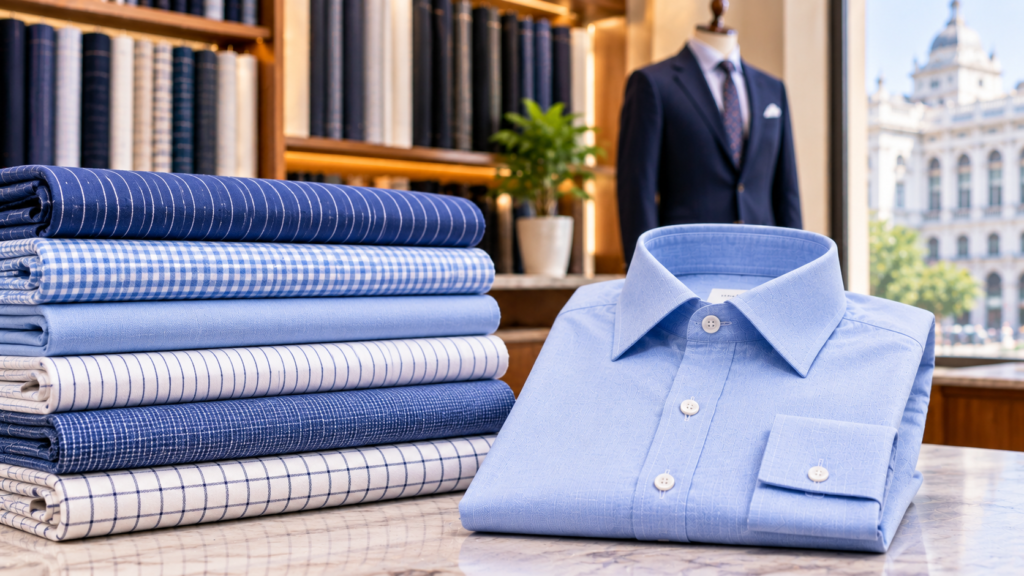
Shirting Fabric in Connaught Place: A Guide to Choosing the Right Fabric for Your Shirts
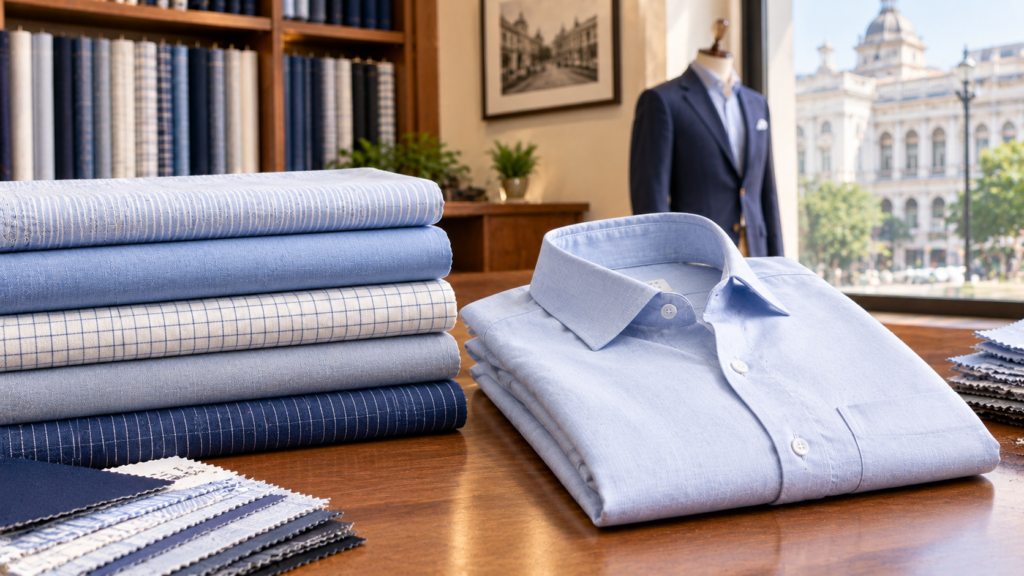
A well-made shirt starts with the right fabric. Whether you need comfortable everyday office wear, a crisp formal shirt, or something stylish for a special occasion, the fabric you choose plays an important role in the shirt’s appearance, comfort, durability, and overall fit. If you are searching for shirting fabric in Connaught Place, it is worth understanding the different fabric options available before making a purchase. From premium cotton and breathable linen to fine weaves and subtle patterns, the right material can help you create shirts that suit your lifestyle and personal style. At Pindi Cloth House, a trusted destination for premium fabrics and bespoke tailoring in Connaught Place since 1956, customers can explore fabric options for personalised shirts and made-to-measure clothing. Why Does Choosing the Right Shirting Fabric Matter? A shirt may look attractive on a fabric display, but its real value becomes clear when you wear it. The right fabric should feel comfortable, complement the occasion, and maintain its appearance with regular use. Here are some reasons why fabric selection matters: Choosing carefully helps you get more value from a shirt and makes it easier to build a versatile wardrobe. Popular Types of Shirting Fabric to Explore Different fabrics offer different combinations of comfort, texture, structure, and appearance. Here are some popular options to consider when shopping for shirting fabric in Connaught Place. 1. Cotton Shirting Fabric Cotton is one of the most popular choices for men’s shirts because it is soft, versatile, and comfortable for regular wear. It is available in a variety of weaves, weights, colours, and patterns. Cotton shirting fabric can be suitable for: The finish and weave make a difference, so compare the fabric in person and consider how you plan to wear the finished shirt. 2. Giza Cotton Fabric Giza cotton is associated with premium Egyptian cotton varieties and is valued in fine shirting for its soft feel and suitability for refined fabrics. It can be an option for customers looking for an elevated shirt with a smooth finish and elegant appearance. The actual quality depends on the cotton grade, yarn, and fabric construction, so check the fabric specifications rather than relying on the name alone. 3. Supima Cotton Fabric Supima is a trademark associated with American-grown extra-long-staple cotton. Its longer fibres are valued for producing fine, strong, and soft yarns. Supima cotton shirting can be worth considering if you prefer a premium cotton shirt with a smooth feel and refined finish. Always check product labelling and fabric details when selecting branded cotton. 4. Linen Shirting Fabric Linen is a popular option for warm-weather clothing because it is known for its breathable feel and natural texture. It offers a relaxed appearance that works well for casual shirts, summer outfits, and smart-casual styling. Linen naturally creases more readily than many cotton fabrics. This is part of its characteristic appearance, so consider whether you prefer a relaxed finish or a more structured shirt. 5. Cotton-Linen Blends Cotton-linen blends combine characteristics of both fibres. Depending on the blend and construction, they can offer a balance of cotton’s familiar softness and linen’s textured appearance. These fabrics can work well for casual and smart-casual shirts, particularly when you want something lighter-looking than a conventional formal shirt. Understanding Different Shirting Fabric Weaves The weave affects a fabric’s texture, structure, and appearance. Even when two fabrics use the same fibre, their weaves can make them look and feel quite different. Poplin Poplin is known for its smooth surface and relatively crisp appearance. It is a popular choice for formal and office shirts because it can create a clean, neat look. Oxford Oxford fabric has a recognisable basket-like weave and a slightly textured appearance. It is often used for casual and smart-casual button-down shirts. Twill Twill has a diagonal weave pattern. It can offer a distinctive texture and a slightly different drape from plain-weave shirting fabrics. It is available in different weights and finishes. Dobby Dobby fabrics feature small woven patterns or geometric textures. They can add visual interest to a formal or semi-formal shirt without relying on bold prints. Striped and Checked Fabrics Stripes and checks are popular choices for adding variety to a wardrobe. Fine stripes can work well in professional settings, while larger checks often create a more relaxed appearance. How to Choose the Best Shirting Fabric for Your Needs Before purchasing fabric, think about where and how often you plan to wear the shirt. The best material for an office shirt may not be the same as the best option for a relaxed weekend outfit. Consider these factors: 1. Identify the Purpose For formal office wear, look at fabrics with a clean finish and suitable structure. For casual shirts, textured, checked, printed, and linen options may be more appropriate. 2. Consider Delhi’s Weather Delhi experiences hot summers, cooler winters, and changing seasonal conditions. For warmer days, breathable cotton, linen, and suitable lightweight blends are worth exploring. For cooler weather, you may prefer fabrics with a little more weight. 3. Check the Fabric Quality Do not judge a fabric only by its colour or pattern. Check its texture, weave, finish, and weight. Ask about fibre composition and care requirements, particularly when considering premium or blended fabrics. 4. Choose the Right Colour and Pattern White, light blue, navy, and subtle stripes are versatile options for a formal wardrobe. Checks, prints, and textured designs can add variety to casual and semi-formal outfits. 5. Think About Maintenance Some fabrics require more careful washing, ironing, or storage than others. Consider your daily routine and choose a material whose maintenance requirements you can comfortably manage. Why Choose Premium Shirting Fabric for Custom-Made Shirts? Buying quality fabric is only one part of creating a good shirt. The cut, measurements, stitching, collar, cuffs, and finishing details also influence the final result. With custom shirt tailoring, you can select details such as: This gives you more control over the finished garment than choosing a standard ready-made size. A well-planned shirt can be designed around your